
On how the Metronome Portfolio solves investing mistakes by giving beginners a simple system built on balance, diversification, and a disciplined long-term approach
Starting your investment journey is one of the smartest financial decisions you can make.
However, navigating the complex world of investing often leads to mistakes that can seriously derail financial growth.
That’s where the Metronome Portfolio comes in.
The Metronome Portfolio is a disciplined, structured framework for building wealth through dividend investing.
Rooted in balance, diversification, and strategy, the portfolio is built on four foundational pillars:
- Income: Maximising earnings to grow investments.
- Emergency Fund: Safeguarding against unexpected financial crises.
- Knowledge: Empowering investors with the tools to succeed.
- Emotional Balance: Preparing mentally to handle market volatility.
The portfolio itself is divided into three components:
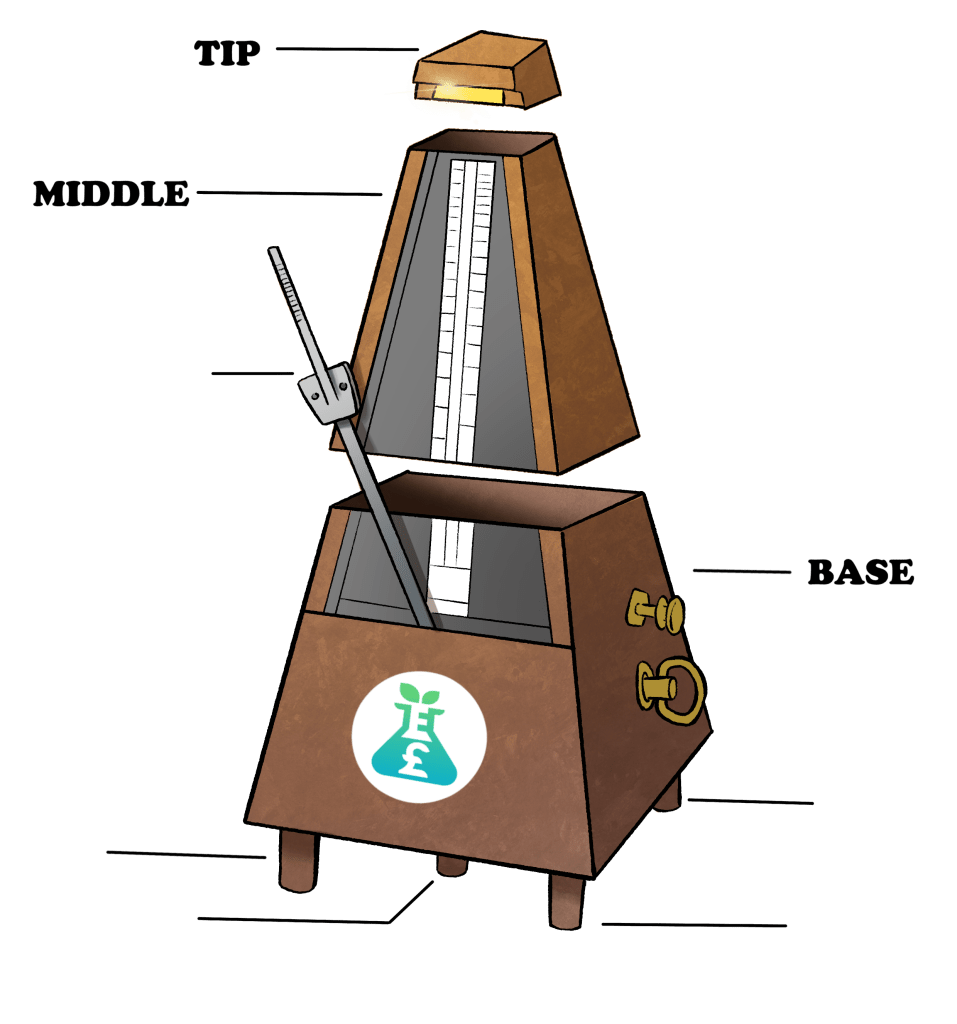
- The Base, focused on dividend income to support a minimum viable lifestyle.
- The Middle, leveraging ETFs for medium- to long-term goals with minimal stress.
- The Tip, a small percentage allocated to high-risk, high-reward opportunities.
By addressing common mistakes I see new or beginner investors make, The Metronome Portfolio equips investors with a model to base investments on.
In this article, we’ll take a look at a number of very common investment mistakes people make and how the Metronome Portfolio can hopefully provide solutions.
You can see more details on this portfolio by searching the Metronome portfolio on this website if you are interested.
Let’s get started.
Mistake 1: Not Starting Early Enough
The Problem
For many new people in their 20s, investing feels like something that can wait. Common reasons for this mistake include:
- Believing they need a significant amount of money to begin.
- Prioritising short-term expenses, such as nights out, entertainment, or other things of that nature, over long-term wealth building.
- A lack of understanding about the power of compound growth, where even small investments can snowball into substantial wealth over time.
Unfortunately, delaying investments can have a significant long-term impact.
Starting just five years later can reduce the final value of a portfolio by tens of thousands of pounds, even if the monthly contributions remain the same. For example:
- A £100 monthly investment earning an average annual return of 7% would grow to £122,700 in 30 years.
- Waiting five years to start reduces this total to £82,800; a difference of nearly £40,000.
This highlights the importance of getting started as early as possible, even with modest contributions.
How The Metronome Portfolio Solves It
The Metronome Portfolio is designed to overcome the common barriers new investors face. Here’s how it supports starting early:
Low Barrier to Entry
The portfolio structure is designed to accommodate those with limited funds.
Unlike strategies that require significant upfront investments, the Metronome Portfolio supports small, consistent contributions.
This approach removes the intimidation factor and makes it accessible to anyone, regardless of their financial starting point.
Emphasis on Dividend Income
The Base component of the Metronome Portfolio focuses on building a reliable stream of dividend income. For new investors, this has a dual benefit:

- Tangible Results: Receiving dividends reinforces the value of investing. Even small payouts serve as motivation, showing progress and encouraging further contributions.
- Reinvestment Growth: Dividends can be reinvested automatically, amplifying the compounding effect. Over time, this reinvestment creates a powerful growth engine that accelerates portfolio expansion.
Mistake 2: Ignoring Risk
The Problem
When it comes to risk, many new investors fall into one of two extremes:
Playing It Too Safe
Some people, early on in their investing career, rely heavily on savings accounts, believing they are the safest option.
While savings accounts do provide security, they often fail to keep pace with inflation, steadily eroding purchasing power over time.
For example, with inflation at 3% annually and a savings account offering a mere 1%, the real value of your money declines year after year.
This approach prioritises safety at the cost of long-term growth.
Taking on Too Much Risk
On the flip side… the allure of quick wealth drives some new investors toward speculative investments, such as cryptocurrencies, meme stocks, or penny stocks.
While these assets can provide significant returns in rare cases, they often carry immense volatility and the potential for devastating losses.
Without a clear strategy, overexposure to these high-risk investments can jeopardise financial stability.
Both extremes, being too conservative or too aggressive, can hinder long-term wealth creation.
How The Metronome Portfolio Solves It
The Metronome Portfolio strikes a balanced approach to risk, addressing both ends of the spectrum with its structured, disciplined framework:
Mitigating the Risks of Being Too Conservative

The Middle section of the portfolio is dedicated to tax-optimised ETFs that should provide steady, inflation-beating returns over the long term.
By diversifying across asset classes and geographies, the portfolio offers consistent growth while maintaining a level of security.
This allows new investors to put their money to work in a manner that protects against inflation without unnecessary risk.
Controlling Speculative Risks

The Tip of the Metronome Portfolio is reserved for high-risk, high-reward investments.
By limiting these speculative assets to a small percentage of the portfolio, investors can explore potential growth opportunities without jeopardising their overall financial stability.
Meanwhile, the Base and Middle sections serve as stabilisers, anchoring the portfolio with consistent returns and lower volatility.
Balancing Long-Term Growth and Short-Term Needs
By incorporating all three components, Base, Middle, and Tip, the portfolio ensures a thoughtful allocation of resources.
The result is a strategy that balances safety, steady growth, and the potential for higher returns, tailored to the investor’s risk tolerance and financial goals.
Education and Awareness
A core pillar of the Metronome Portfolio is Knowledge, ensuring that new investors understand the risks associated with both ends of the spectrum.
By educating users on the importance of diversification, asset allocation, and the dangers of inflation and volatility, the portfolio empowers them to make informed decisions.
Why This Matters
Ignoring risk, whether by playing it too safe or taking on too much, can lead to missed opportunities or financial setbacks.
The Metronome Portfolio provides a clear, structured approach to balancing risk, helping new investors achieve steady growth while avoiding the pitfalls of extremes.
Mistake 3: Neglecting Diversification
The Problem
New investors often concentrate their investments in trendy sectors, like tech, or limit themselves to domestic stocks.
While this approach may yield short-term gains, it significantly increases risk if a specific sector or region faces a downturn.
How The Metronome Portfolio Solves It
The Metronome Portfolio ensures diversification by:
- Allocating the Base to a variety of dividend-paying stocks across industries, providing steady income and reducing reliance on any one sector.
- Using the Middle for ETFs that span global markets and asset classes, offering balanced exposure and mitigating localised risks.
This built-in diversification protects against volatility, ensuring consistent growth and stability over the long term.
Mistake 4: Trying to Time the Market
The Problem
New investors often fall into the trap of trying to “buy low and sell high,” believing they can predict market movements to maximise returns.
However, timing the market is extremely challenging, even for seasoned professionals.
This approach frequently leads to two major pitfalls:
1. Missing Market Rallies
Investors waiting for the “perfect time” to enter the market often miss sudden market rebounds.
For example, after a market downturn, prices can recover rapidly, leaving those on the sidelines unable to capitalise on the gains.
Historical data shows that missing just the top 10 trading days in a decade can drastically reduce portfolio returns.
2. Emotional Decisions
Market timing relies heavily on emotional responses to fear and greed.
Investors may sell in panic during downturns, locking in losses, or hold off buying during rallies, waiting for a pullback that may never come.
How The Metronome Portfolio Solves It
The Metronome Portfolio takes the guesswork out of investing, ensuring new investors stay consistently engaged with the market:
- Dollar-Cost Averaging: Automated, regular contributions allow investors to buy shares at different prices over time, averaging out costs and reducing the impact of volatility. This strategy ensures participation in market recoveries and growth trends.
- Long-Term Focus: The portfolio’s emphasis on stable dividend stocks (Base) and diversified ETFs (Middle) prioritises steady growth over speculative gains, reducing the temptation to time the market.
By staying invested consistently, the Metronome Portfolio helps new investors capture long-term market trends, avoiding the costly mistakes of market timing.
Mistake 5: Failing to Set Clear Goals
The Problem
Many new investors dive into investing without clearly defined objectives, leading to:
- Inconsistent strategies that fail to align with personal financial milestones.
- A lack of motivation to stay disciplined, especially during market downturns.
- Difficulty in tracking progress or prioritising investments effectively.
Without clear goals, it’s easy to chase short-term gains or neglect long-term financial planning, resulting in portfolios that don’t support meaningful achievements like buying a home, funding further education, or retiring early.
How The Metronome Portfolio Solves It
The Knowledge pillar of the Metronome Portfolio is designed to guide investors in setting and aligning their financial goals with their portfolio structure:
- Education on Goal Setting: The Knowledge component empowers investors to understand how different financial objectives, short-term, medium-term, and long-term, require distinct investment approaches.
- Structured Allocation: Because the structure is already decided, the goal or plan is already taken care of in some sense.
- Clarity and Purpose: By linking investments to specific life goals, the portfolio helps new investors maintain focus and motivation, avoiding haphazard decision-making.
Through its Knowledge pillar and goal-oriented structure, the Metronome Portfolio ensures new investors build a portfolio that works for their unique aspirations, helping them stay on track for both immediate and future milestones.
Mistake 6: Falling for Trends and Social Media Hype
The Problem
In the age of social media, new investors are increasingly influenced by viral stock picks, meme stocks, or speculative trends.
This often leads to:
- Chasing Hype: Investing in overvalued assets based on FOMO (fear of missing out), without proper research or understanding of underlying fundamentals.
- High Volatility Exposure: Trends fueled by online communities can experience dramatic rises and crashes, leaving investors with significant losses.
- Lack of Strategy: Following hype often replaces disciplined, long-term planning with impulsive, short-term speculation.
This reactive approach can derail financial growth, as many trendy investments fail to deliver sustainable returns.
How The Metronome Portfolio Solves It
The Metronome Portfolio counters the influence of social media hype by emphasising evidence-based, disciplined investing:
- Knowledge Pillar: Investors are educated on the importance of fundamentals, diversification, and long-term strategy, empowering them to make informed decisions rather than reacting to hype.
- Focus on Stability:
- The Base is built on reliable, dividend-paying stocks with proven track records, avoiding speculative investments.
- The Middle includes diversified ETFs, offering exposure to broader markets and reducing the impact of individual stock volatility.
- Controlled Speculation: The Tip allows for a small percentage of high-risk investments, giving investors the freedom to explore innovative or speculative opportunities without jeopardising the portfolio’s stability.
By focusing on education, diversification, and discipline, the Metronome Portfolio helps new investors resist the distractions of social media trends, ensuring their investments align with long-term financial goals.
Mistake 7: Thinking Investing Is Too Complicated
The Problem
Many new people avoid investing because they perceive it as overly complex or intimidating. Common reasons include:
- A lack of financial literacy or understanding of terms like diversification, asset allocation, or compounding.
- Fear of making mistakes or losing money due to insufficient knowledge.
- The belief that successful investing requires constant monitoring or expertise in market analysis.
This hesitation prevents new investors from starting their journey, often delaying wealth creation until much later in life.
How The Metronome Portfolio Solves It
The Metronome Portfolio simplifies investing by breaking it down into manageable and intuitive steps:
- Knowledge Pillar: The portfolio emphasises investor education, ensuring new investors understand the basics of investing, risk management, and goal-setting. This builds confidence and reduces the fear of complexity.
- Automated Management: By structuring investments into the Base, Middle, and Tip, the portfolio removes guesswork. Investors can easily allocate resources based on their risk tolerance and goals without needing advanced expertise.
- Focus on Long-Term Growth: The Metronome Portfolio discourages short-term speculation, which can feel overwhelming, and instead promotes a steady, disciplined approach that requires minimal day-to-day management.
By combining education, simplicity, and automation, the Metronome Portfolio empowers new investors to start confidently, showing that investing doesn’t have to be complex or intimidating.